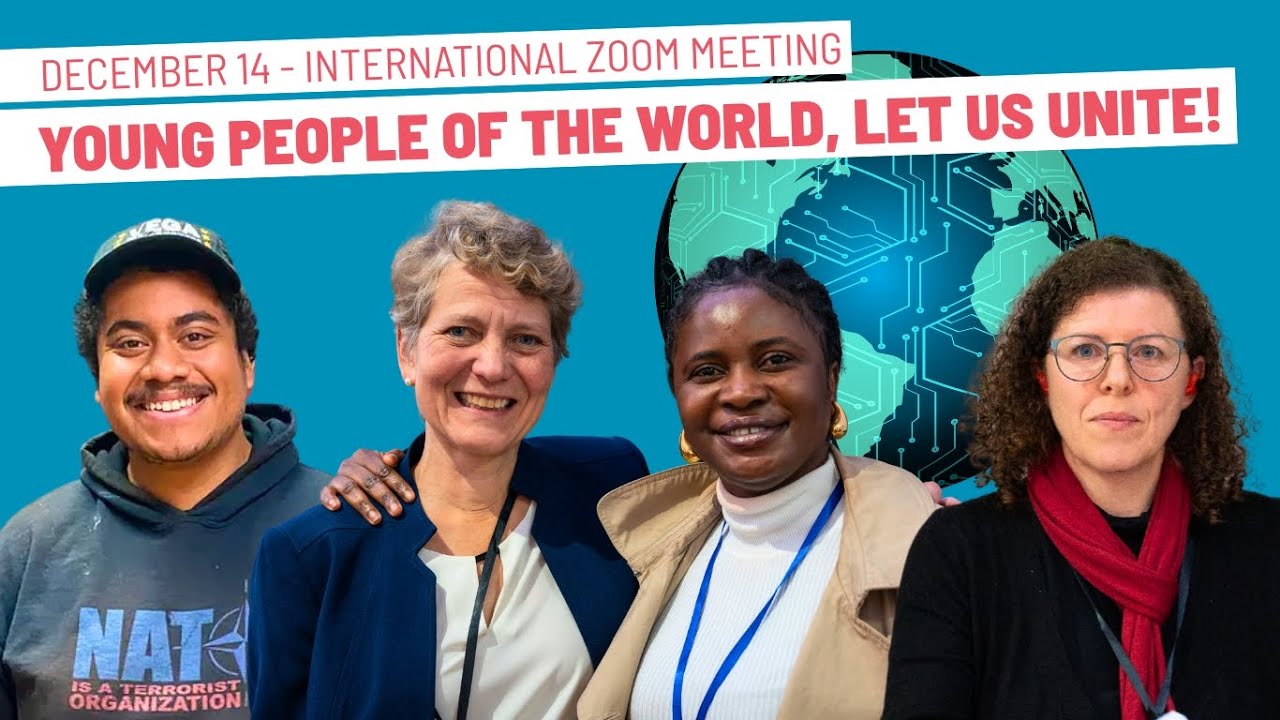
Joint Statement for the Formation of the Global Youth Movement for a Just World Order and New Paradigm
We, the youth of the world, believe that our generation has a responsibility unlike any before it. We have inherited a world filled with incredible scientific achievements, yet millions of us still live in poverty, wars continue to divide nations, and too many people are denied the opportunity to reach their full potential. We refuse to believe that these problems must define our future.
What makes humanity unique is not our wealth, military power, or natural resources. It is our ability to think, discover, and create. Every great step forward in history began with an idea. From agriculture and medicine to electricity and space exploration, human creativity has allowed civilization to overcome challenges that once seemed impossible. The greatest resource any nation possesses is its people and their ability to improve the world through knowledge and innovation.
We believe that every nation has something valuable to contribute. No country should be treated only as a source of raw materials, cheap labor or political influence. No country should be marginalized based on tribe or race. Every nation is home to people with talents, ideas, and dreams that deserve the opportunity to flourish. A just world order must promote education based on creative reason, scientific research, technological progress, and economic development so that every person has the chance to contribute to humanity’s future.
True peace is more than the absence of war. It is a world where people have access to food, clean water, healthcare, education, and meaningful work. It is a world in which nations cooperate instead of competing through conflict and exploitation, recognizing that the progress of one nation can benefit all.
Our generation also has the responsibility to break the cycle of hatred and violence that has been passed down for far too long. The divide between nations based on race or color, economic exploitation, or any other arbitrary difference should stop. Violence has too often been answered with more violence, creating new generations of pain and division. Many have erroneously believed that retribution is a sign of strength while diplomacy is a sign of weakness. That cycle must end with us! We choose cooperation over conflict, dialogue over hatred, and hope over despair. As many are warning today, including such as General (ret.) Harald Kujat, former Inspector General of the German Armed Forces and Chairman of the NATO Military Committee, the world is in a situation similar to that of August 1914. But the joining of the U.S.-Israeli war of aggression against Iran to the NATO proxy war against Russia, the world’s greatest nuclear weapons power, threatens destruction far worse than World War I, including the possible elimination of human civilization itself. The insane commitment by Western governments and institutions to perpetuate this war, even to the point of the use of nuclear weapons, must be stopped now, before we lose absolutely everything in a hellfire. The need for voices of reason to speak in unison, to challenge the irrationalism of “might makes right,” has never been greater.
These conflicts, as well as the wars on the African continent plaguing the innocent citizens of Sudan, the Democratic Republic of the Congo, and many other populations, remind us that a single miscalculation can cause catastrophic consequences for millions of people. At the same time, the unjust war in the Middle East has contributed to instability in global energy markets, disrupted trade routes, and increased the risk of economic shocks that affect both developed and developing nations. Rising fuel prices, inflation, and food insecurity due to the disruption of the fertilizer industry are causing famine. You may be traveling, but people in many developing nations have packed their cars away, unable to cope with rising fuel prices. You may be eating your daily bread, but many of us are not.
The world is a global village. Conflicts that rise in one part of the world often create a ripple effect through a disproportionate share of economic consequences in the other parts of the world. This reality demonstrates that lasting peace cannot be achieved through military power alone. It must be built upon economic development, scientific advancement, technological innovation, mutual respect among nations, and a shared commitment to solving humanity’s common challenges.
There is only one realistic path toward safeguarding world peace: the international community must urgently place the creation of a new global security and development architecture at the center of its agenda and work collectively to establish a renewed framework for international relations. This framework should be firmly grounded in the principles of the United Nations Charter, the Five Principles of Peaceful Coexistence, and the lessons of the Peace of Westphalia, which demonstrated that lasting peace can only be achieved when the legitimate interests and concerns of all parties are recognized and respected.
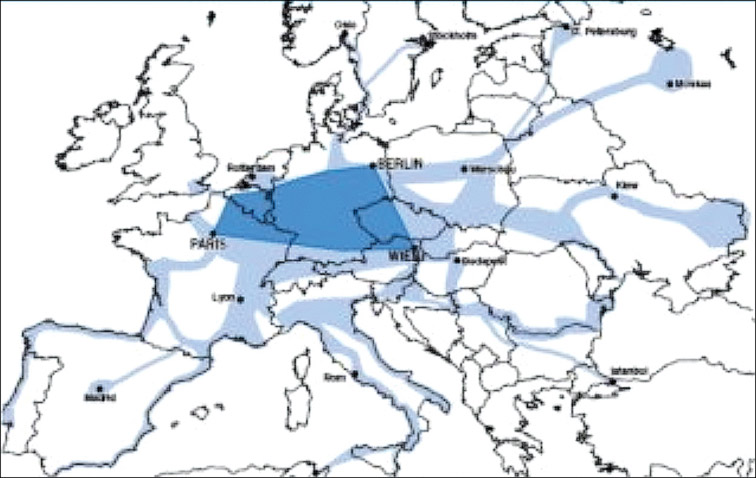
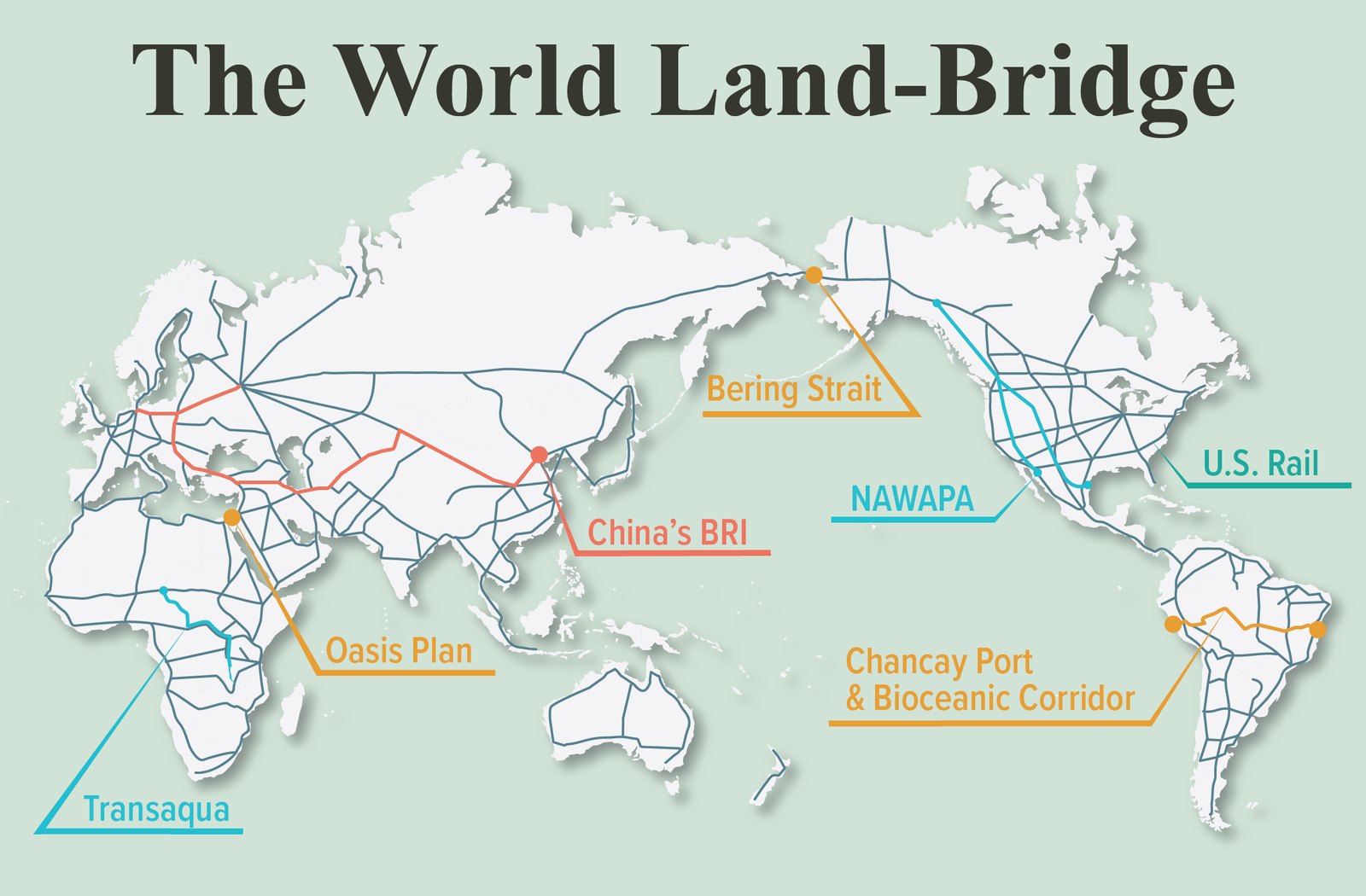
In essence, the principle of indivisible security must once again become a cornerstone of international relations. Alongside the Schiller Institute’s proposal for a new global architecture, outlined in Helga Zepp-LaRouche’s Ten Principles of a New International Security and Development Architecture, China has also put forward a broad vision through its four global initiatives, particularly the Global Governance Initiative, which represents one of the most comprehensive contributions to the discussion on building a more cooperative, secure, and development-oriented international order. Initiatives such as the Belt and Road, the construction of major enablers of economic development such as ports, roads, and high speed rail coincide with the Schiller Institute’s proposal of the World Land-Bridge, a global vision of using interconnected continental development corridors to eliminate poverty.
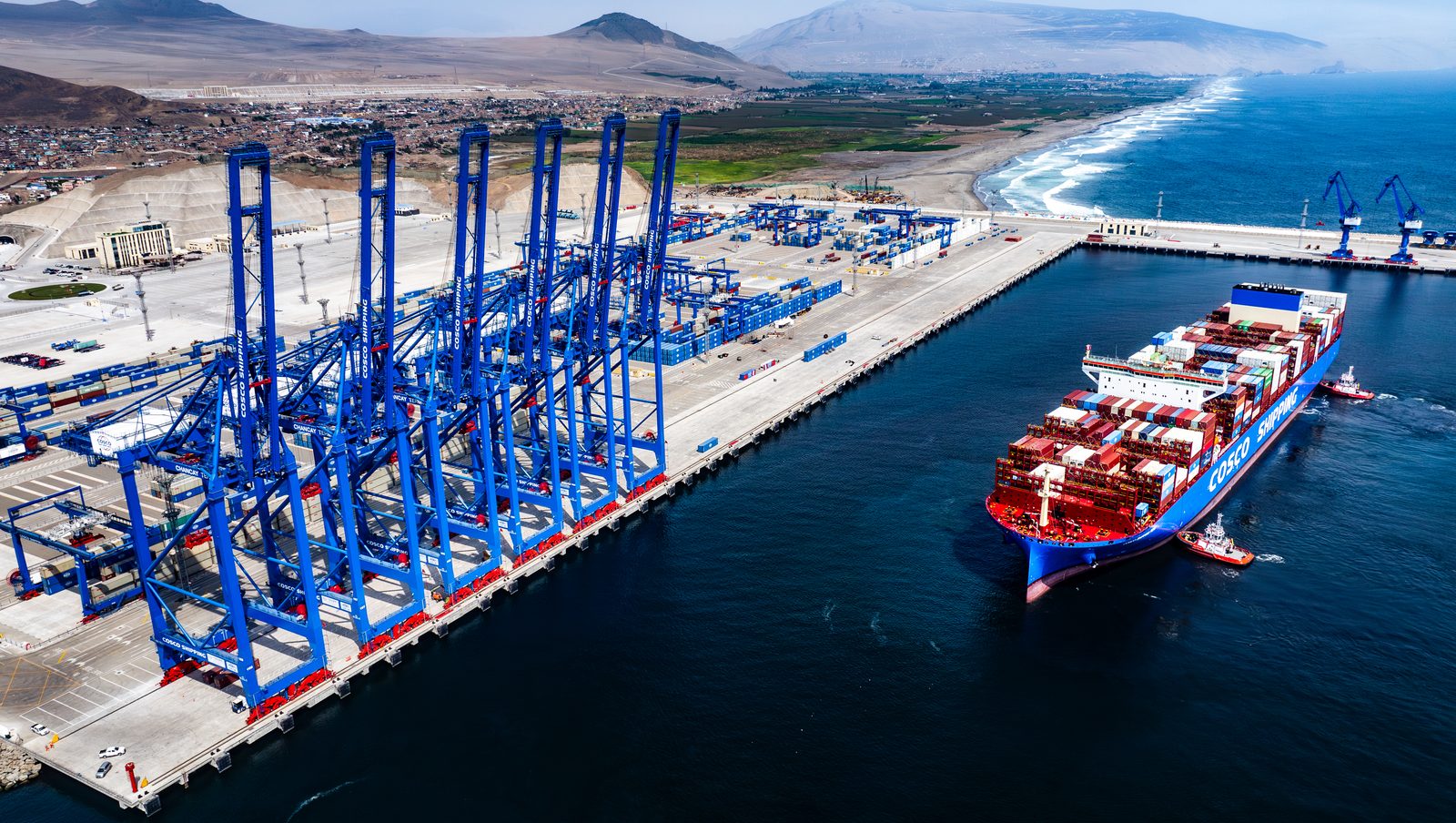
Among the elements of that vision are the African continental high-speed rail network included in the African Union’s Agenda 2063; the expanded LaRouche Oasis Plan, a fifty-year development plan for Palestine, Israel, and the entire region focused on nuclear desalination, canals, and transport; the Transaqua Project to transfer water from the Congo River to refill Lake Chad, which would benefit 40 million people in 12 nations and provide the basis for the development of the entire Central African region; the Bioceanic Corridor, a high-speed railway linking Peru’s Chancay Port, the most advanced deep water port in South America, to the Atlantic coast of Brazil; NAWAPA-PHLINO, the North American Water and Power Alliance and the North-West Hydraulic Plan of Mexico, a combined continental water-management project designed to transfer water from Alaska through Canada, the western United States, and Mexico; and the Bering Strait Tunnel, a 53-mile underwater tunnel to connect North America to Eurasia by rail.
How beautiful will it be for the youth to participate in these beautiful ideas and projects that will shape the coming fifty years of humanity.
As the youth of the new International Youth Movement, we are committed to taking our vision beyond words and into the world’s most influential decision-making platforms. We will actively present our ideas and advocate for a new paradigm of peace through development. We direct our call for a new paradigm of peace through development to the participants of the various upcoming intergovernmental summits of 2026 and 2027, including the August Shanghai Cooperation Organization (SCO) Conference, the September United Nations General Assembly, the September BRICS Summit, whose participants represent the majority of the population of the youth in the world, and February’s 40th African Union Summit, reflecting the largest youth population in the world, predicted to reach 42% of the world youth population by 2030. Heads of state, policymakers, international organizations, business leaders, academics, and fellow young people, it is time to embrace science, technology, economic cooperation, and human centered development as the foundation for lasting peace. We believe that the voices of young people must not merely be heard—youth leaders must definitively shape the policies that will determine their own future. We therefore call on governments and international organizations to adopt the necessary principles and policies outlined in this document, and others that are necessary to bring this vision into reality, in the immediate term.
The youth believe that the future will be shaped not by fear, but by our willingness to work together for the common good. Thank you.
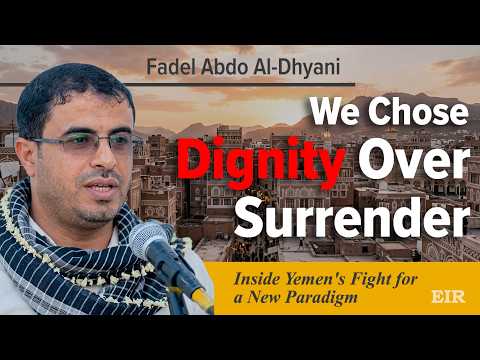
Dignity in the Face of Genocide and War: The Mission of Yemen's YouthFadel Abdo Al-Dhyani — head of the Youth Development Association of the Republic of Yemen
“…we seek to be free from oligarchy, because not to do so would be to betray the divine spark of reason in ourselves and in others.”
— Lyndon LaRouche, 1990 · “In the Garden of Gethsemane”